


18 Mar Entrevista con Dano García, director de Mickey
After meeting in a Catholic school in Mazatlán, Sinaloa, Dano García formed a close friendship with Mickey, a bond that would eventually become the heart of a deeply personal film. What began as shared memories and archived footage from Mickey’s childhood evolved into a decade-long creative journey, one that not only documents her transition, but also mirrors García’s own.
Bringing Mickey to life was no small feat. Over ten years, the project grew with the support of institutions such as the Sundance Institute, Chicken & Egg Pictures, and FOPROCINE (IMCINE), ultimately premiering at SXSW. The result is a hybrid, experimental documentary that blurs memory, identity, and time. Here our interview with Dano García, the director.
1. How did you learn about Mickey’s story, and what made you feel it was necessary to turn it into a film?
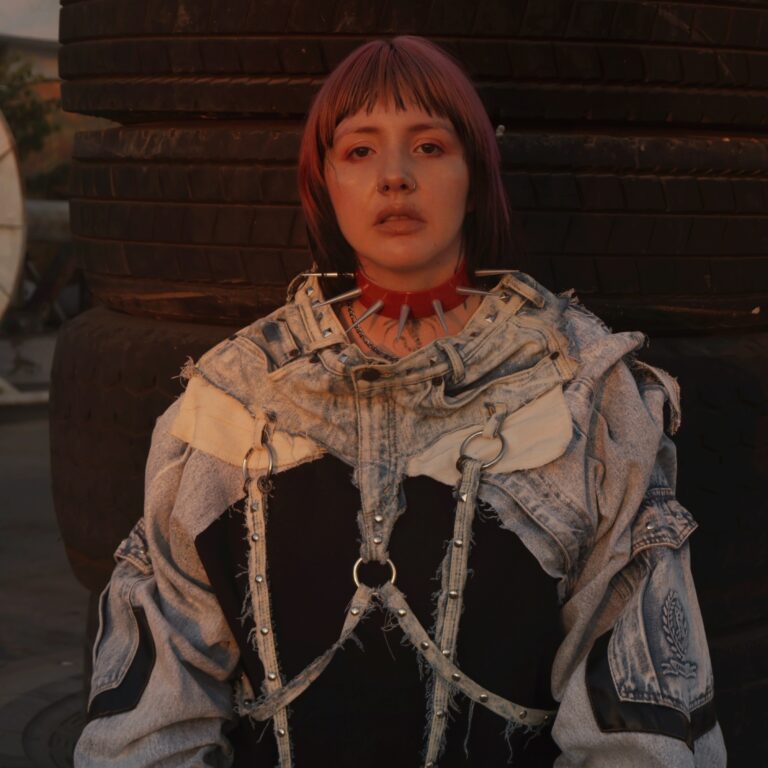
I met Mickey when she was 11 and I was 14; we attended the same Catholic school in Mazatlán, Sinaloa. Even at a young age, she began wearing makeup, which scandalized the priests. In Sinaloa, the average age for coming out is 30, so her boldness was striking. Later, while living in Mexico City, we moved in together and began editing videos from her childhood. This film has been deeply personal for me because, over the course of the 10-year shoot, I was able to come out as a trans person myself. Mickey is a truly free spirit, and that freedom is contagious. Her story is deeply inspiring.
2. Financing independent films can be a challenge. How did you manage to fund the project?
Completing this documentary took ten years and was a significant undertaking. Much of the development and research was independently funded. However, thanks to the support of the Sundance Institute, Chicken & Egg Pictures, and FOPROCINE (IMCINE), we were able to finance the production stage. Later, receiving three awards from IMPULSO Morelia (FICM) provided the resources we needed to finally finish the film.
3. At what point did you decide to incorporate special effects and experimental techniques, and what do those elements add to the film’s language?
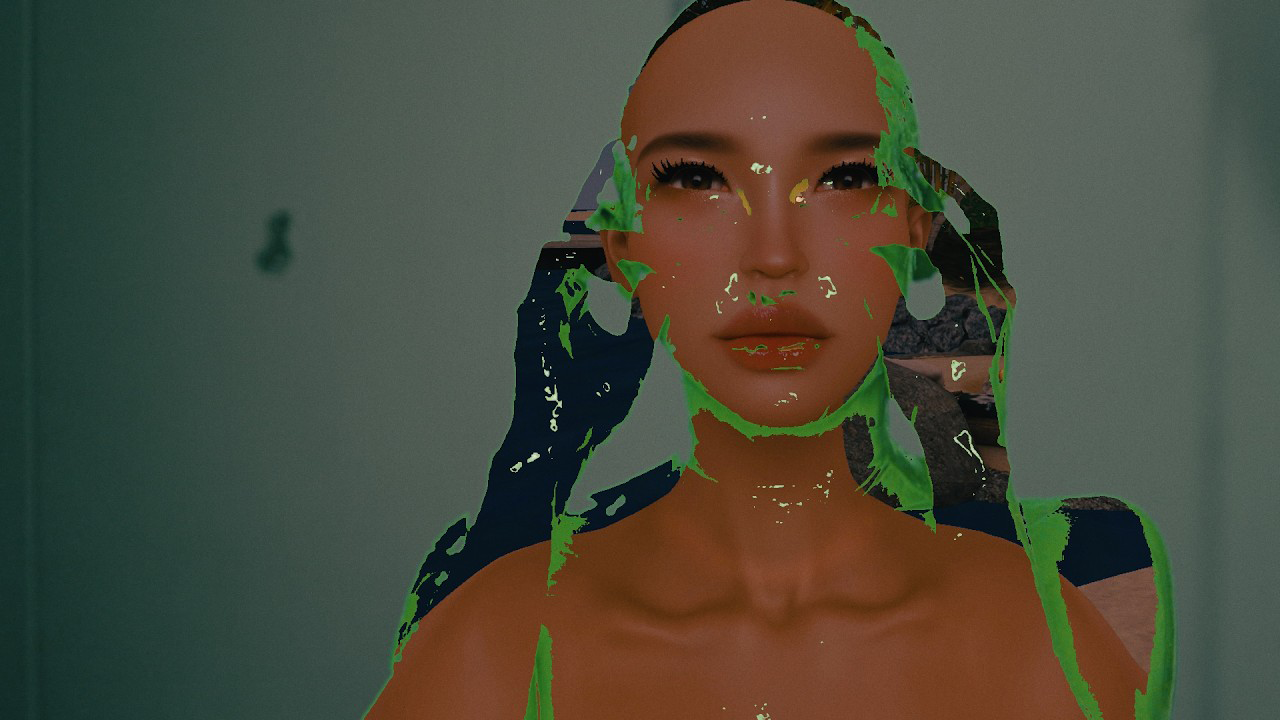
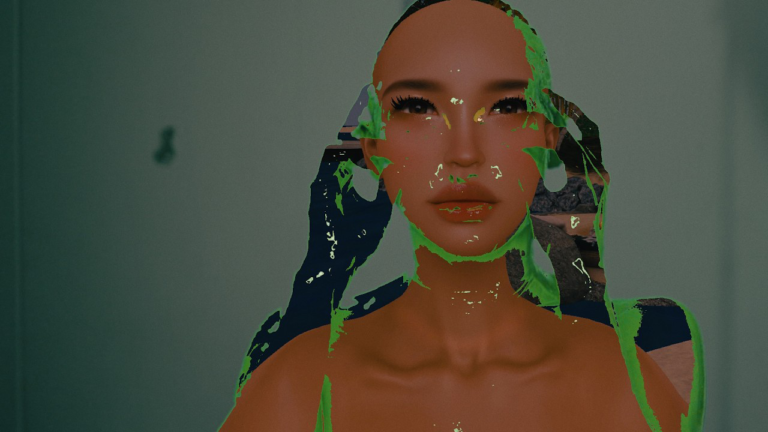
In a conservative environment like Sinaloa, social media often becomes a refuge for those hesitant to come out, which is why using a video game avatar became such a vital resource in the film. Similarly, we used «glitches» to permeate the footage as we revisited the past. Memory isn’t a linear process, and we wanted to reflect that using every tool available: webcams, cell phone videos, security cameras, and 360° cameras. The visual language evolves alongside the narrative; I call this «Trans Cinema»—the possibility of rediscovering the image on the margins of change, where things remain beautifully undefined.
4. Tell us about your creative team. Were there any Mexican collaborators involved in shaping the project?
Yes, our entire team is Mexican and consists of long-time friends. Tonatiuh Israel, the film’s editor and co-writer, has been a friend since high school. My producers are Indira Cato, Joceline Hernández, and Alejandra Guevara, and Christian Giraud served as our sound designer and co-producer. For the soundtrack, we collaborated with incredible trans artists like Luisa Almaguer, Isa Flores, and América Fendi, as well as artists like Jessy Bulbo, Malora, and Michel López’s band from Mocorito. The original score was composed by Pablo Horn.
5. What was the experience of filming in Sinaloa like, especially considering the social and cultural context of the region?
It was important for me to capture the contradictions of the Mazatlán Carnival, a place of vibrant celebration that simultaneously harbors deep-seated homophobia and transphobia. We specifically looked at the gay carnival queen pageant that runs parallel to the main parade. The real strength lies in how the trans community celebrates in the face of violence. Filming resilience is a way of reclaiming something that belongs to us—something often restricted or rendered «impossible» by our circumstances.
6. The film touches on the experience of growing up queer in Sinaloa. How did you approach portraying that reality?
The film explores the self-determination of being true to yourself as a teenager in Sinaloa, and it does so through a non-punitive lens. For example, there is a scene where Mickey’s father playfully pretends to put drops of testosterone in her juice. Mickey confronts him, and they engage in a dialogue rooted in love and humor. I believe there are ways to tell our stories that move beyond the victim/perpetrator narrative; I believe in storytelling centered on consensus and reparation.
7. Mickey has been documenting her transition for more than a decade. How did that long timeline influence the structure of the film?
The film is about accompanying Mickey’s journey, so the process is living and cyclical rather than linear. At the start, she mentioned having a very poor memory, so we decided the film would be based on her diary. Beyond being a cathartic outlet, writing became a tool for healing. The film ultimately became an «obsidian mirror»—an introspective journey where the ghosts of the past are confronted so they don’t have to be repeated.
8. What did working so closely with Mickey teach you about self-perception and personal transformation?
Freedom is contagious, and I think that is the effect Mickey has on everyone she meets. As a trans person, I can say that Mickey walked alongside me through my own transition, and her story profoundly influenced mine. A film is always a journey of transformation, but this project quite literally changed my life.
9. What does it mean for you to premiere the film at SXSW?
We are thrilled to have our world premiere at SXSW. It’s an honor to return to the Global section, especially at a time when we are seeing a global rollback of human rights for trans people. Having a dedicated space for queer voices is what makes this premiere truly memorable.
10. After following Mickey’s journey for so many years, what do you hope audiences will take away from her story?
I want the audience to walk away with a story of resilience, love, and the courage to be oneself. In an era marked by human rights setbacks, it is vital that we fight for and take care of one another, especially in the face of the various forms of systemic violence we are seeing today.

Sorry, the comment form is closed at this time.